National Museum of Ethnology, Japan "TRAJECTORIA"

Call for Articles
2026 Vol.7
Carte Blanche

Rimse

Ruyka
Kanako Uzawa Ainu Scholar & Artist
Saki Murotani Creative Director
DOI: https://doi.org/10.51002/trajectoria_026_04
(Published March 27, 2026)
/

Introduction


About Ruyka
Ruyka is an artist collective formed by Kanako Uzawa and Saki Murotani. Centred on meaningful storytelling, intercultural collaboration, and artistic excellence, this project places Indigenous voices and artistic expression at the core of its creative process.
The name Ruyka means “bridge” in the Ainu language, symbolizing the collective’s commitment to connecting people and cultures through art.
By integrating animation, illustration, dance, and cultural expertise, Ruyka brings visibility to stories and perspectives that have long remained marginalized, reaching diverse audiences across borders.

Rimse (Short Animated Film) Synopsis
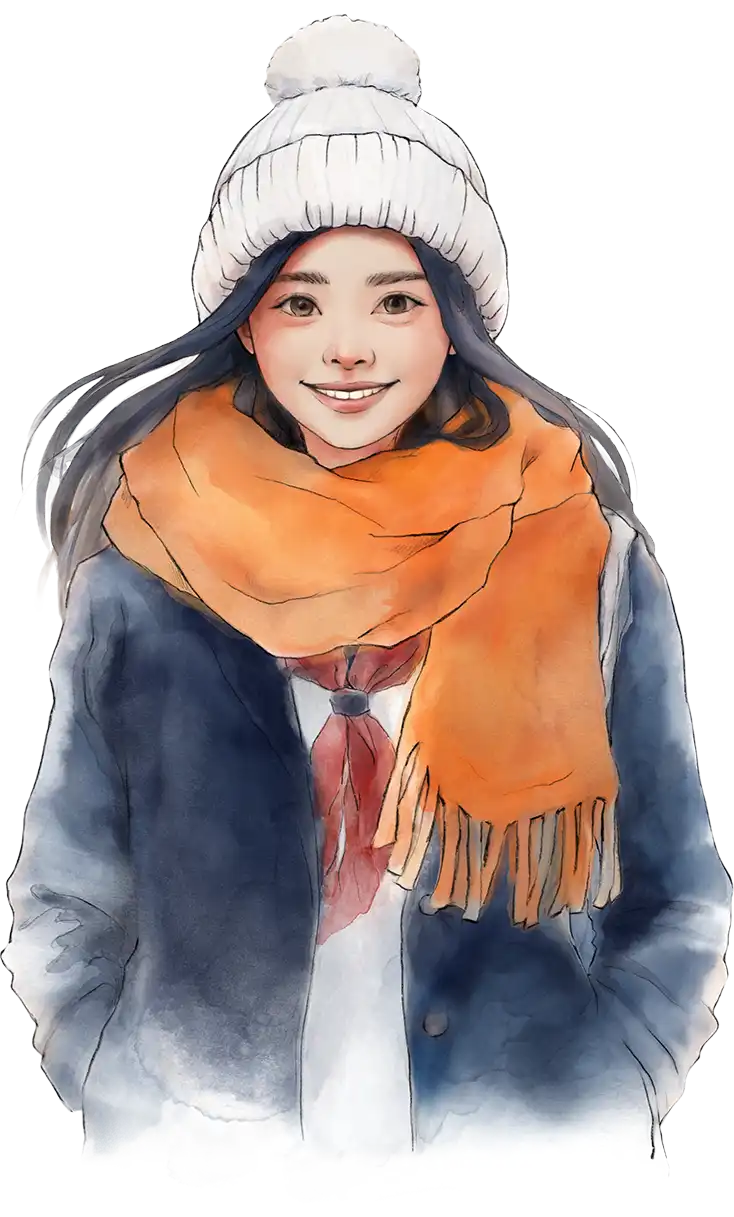
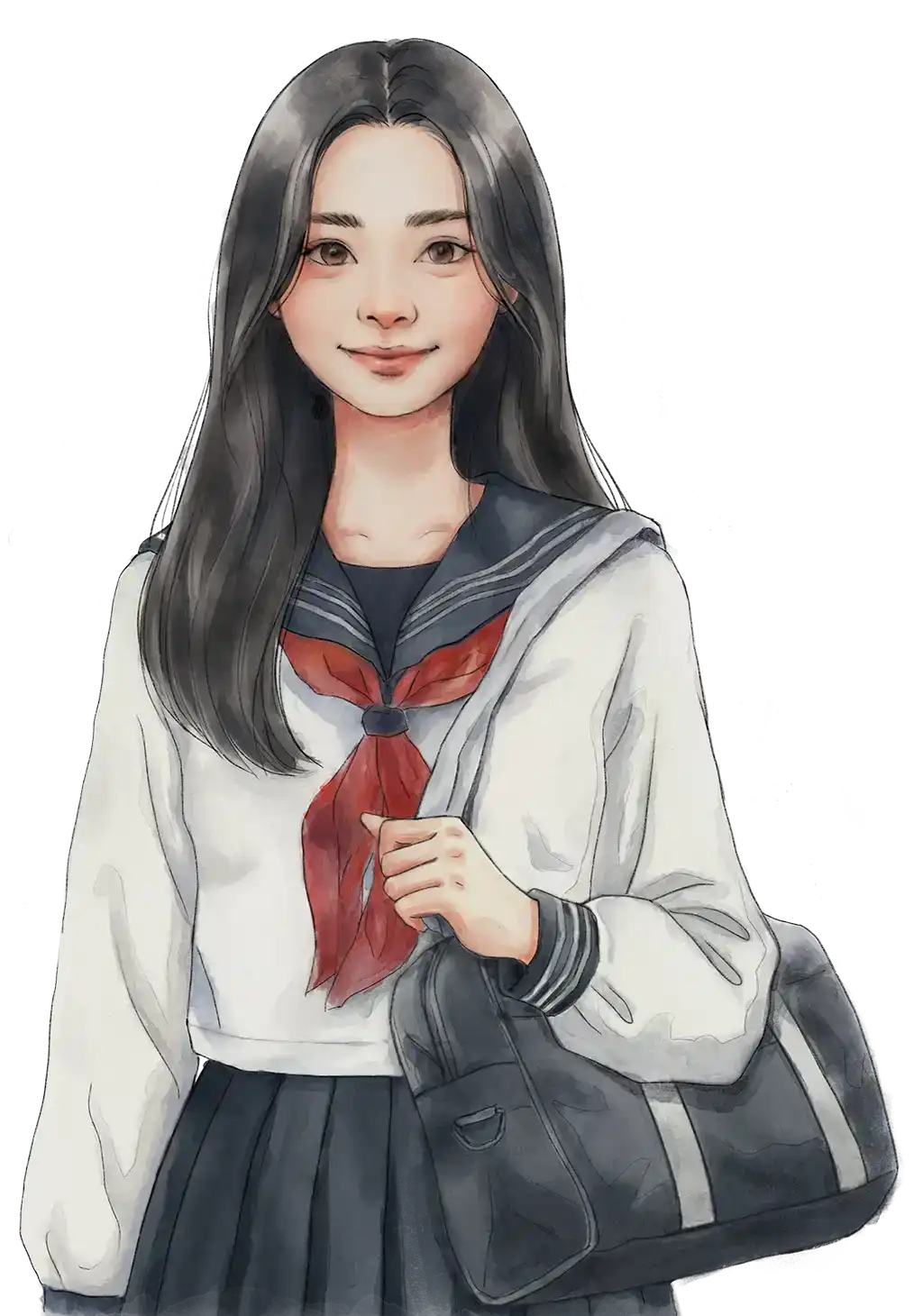
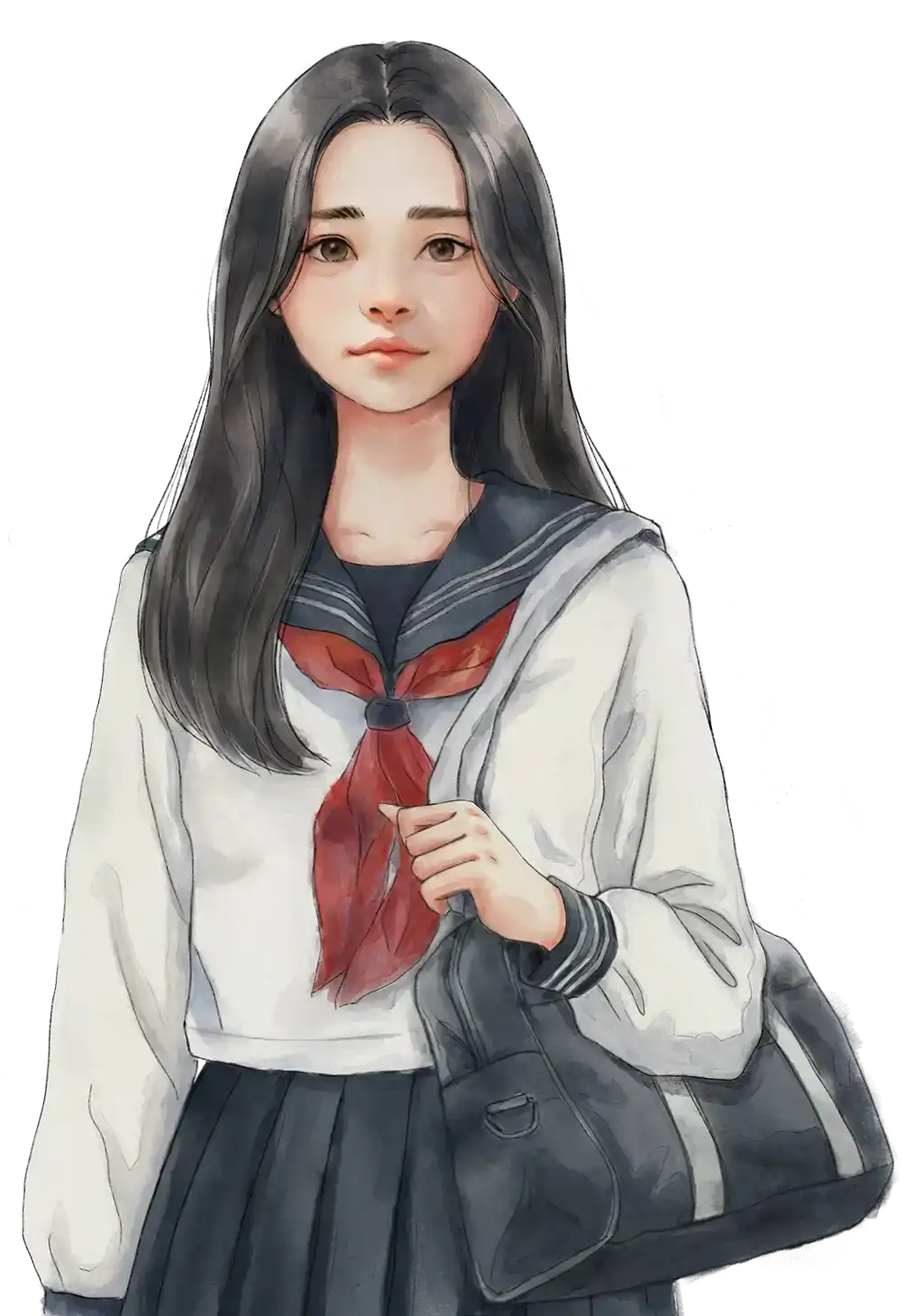
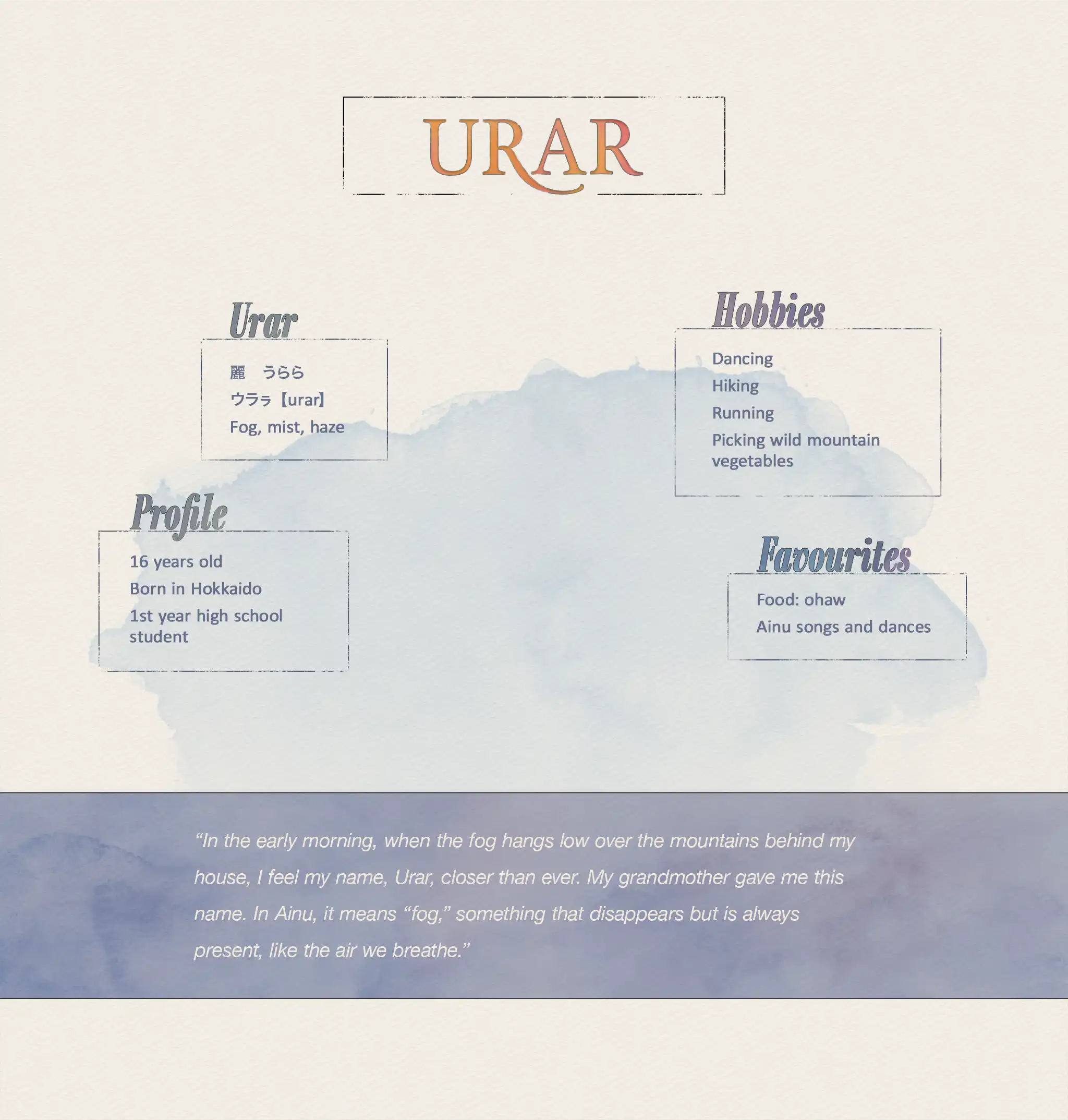
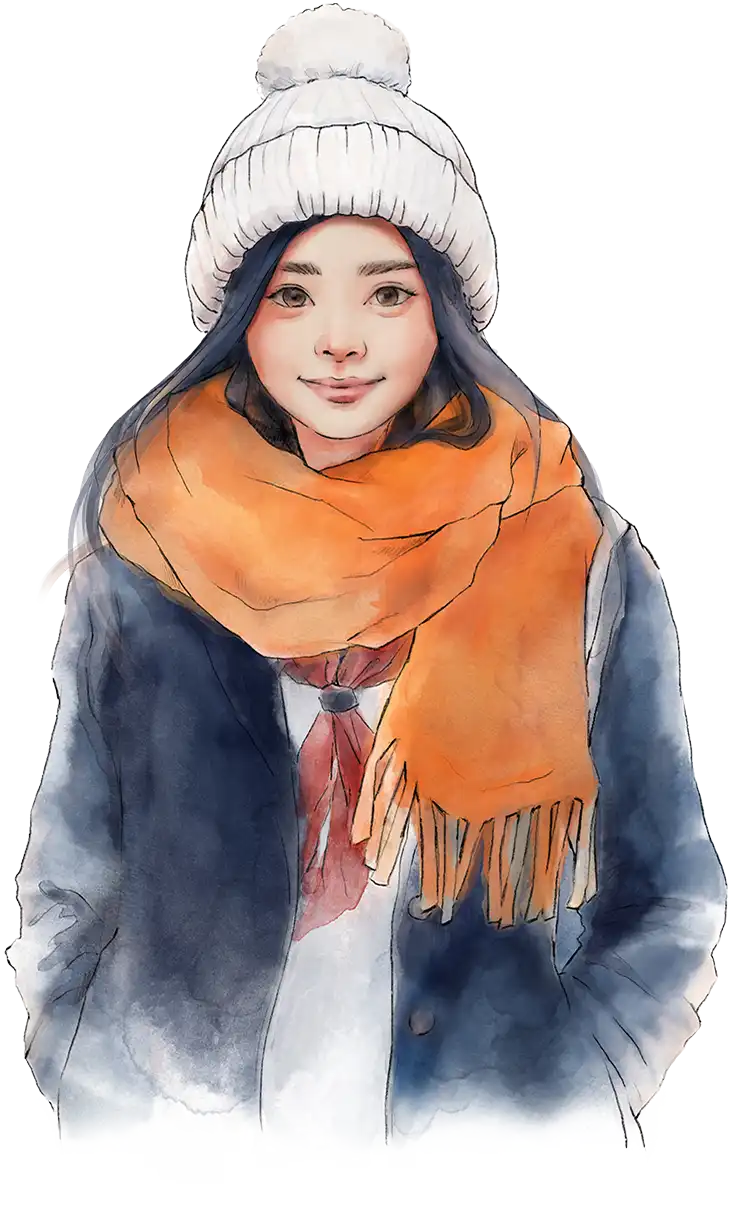
Meet Urar.
A 16-year-old girl navigating identity, isolation, and the sting of cyberbullying—until the power of dance reconnects her with something much deeper.
Rooted in the Ainu worldview, Rimse (coming soon in the fall of 2028) is a pilot animation that tells a story of resilience, heritage, and self-discovery. It asks: What does it mean to be Japanese? And even deeper —What does it mean to be Ainu? What does it mean to be human?
Through Urar’s journey, the story explores the challenges of assimilation and colonization, and the courage it takes to speak up and reclaim one’s voice. This project celebrates of Indigenous storytelling, sparking new conversations across generations and across oceans.

Cultural & Historical Context
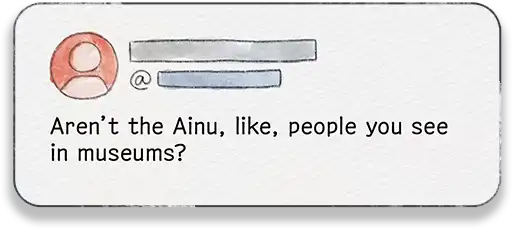
Ainu lives, bodies, and cultural expressions have been shaped by a long history of colonization, assimilation, and silencing. From the late nineteenth century onward, state policies sought to erase Ainu language, ritual, and modes of living, while simultaneously rendering Ainu culture into an object of fascination for scholars, museum collectors, and tourists.
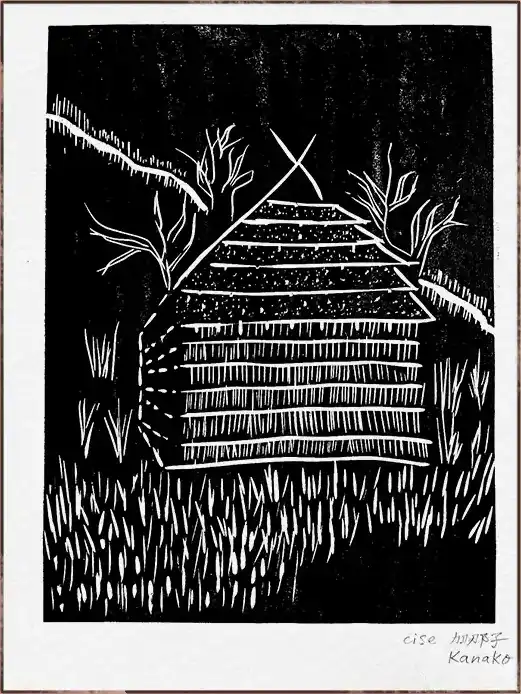
Artifacts, stories, and even human remains were extracted and circulated within museums and academic institutions globally—often without consent—producing a distorted visibility in which Ainu culture was made visible while Ainu voices and identities were marginalized. Ruyka engages with this history at the intersection of visual storytelling, embodied practice, and Indigenous perspectives.

The Ainu are an Indigenous Peoples of Japan. The first Japanese national law to recognize Ainu as Indigenous people of Japan did not come until 2019 with the enactment of the Act on Promotion of Measures to Realize a Society Where the Pride of Ainu Is Respected, commonly called the Ainu Policy Promotion Act. While this legal recognition has led to the establishment of institutions dedicated to Ainu traditional culture, it does not erase the persistence of prejudice or the uneven distribution of power that continues to shape everyday experiences.

Despite intense colonial, legal, and social pressures aimed at forced assimilation since at least the late nineteenth century, the Ainu people and their cultural practices have never ceased to exist. Art, performance, storytelling, and craft have long been embedded in everyday life, functioning not merely as culturally grounded expressions but as ways of knowing, remembering, and relating to land, animals, ancestors, and one another. Oral narratives, songs, embroidery, carving, and ritual gestures form a visual and performative language through which history and worldview were and are transmitted. Ruyka’s work engages with this broader heritage of expression, not by reproducing oral tradition, but by translating embodied memory and lived experience into contemporary visual form.

The animation work presented here does not claim to represent Ainu oral storytelling traditions. Rather, it visualizes the complex realities of Ainu youth as they navigate identity, belonging, and visibility in contemporary Japan. The choice of animation and manga-like visual language is intentional: graphic storytelling allows for the articulation of experiences that are often difficult to express through linear text alone—feelings of stigma, bullying, resilience, and becoming. In a context where discrimination increasingly unfolds within digital and online spaces, visual media becomes both a mirror and an intervention, capable of reclaiming narrative authority and reaching audiences across generations and across borders.

For more information, please visit: https://ainutoday.com

イントロ


Ruyka
Ruyka (ルイカ)は、鵜澤加那子と室谷早紀によって結成されたアーティスト・コレクティブである。意義あるストーリーテリング、異文化間の協働、そして高い芸術性を軸に、本プロジェクトでは先住民族の声と芸術表現を制作の中核に据えた表現活動を行っている。
名称の「Ruyka」はアイヌ語で「橋」を意味し、アートを通じて人と人、文化と文化をつなぐという理念を象徴している。
アニメーション、イラストレーション、ダンス、そして文化的専門性を融合させ、これまで十分に光が当てられてこなかった物語や視点を可視化することで、国境を越えた多様な観客に向けた発信を行っている。

Rimse(短編アニメーション)あらすじ
ウラㇻは16歳。アイヌとしての自分を模索しながら、ネットいじめによって心を閉ざしていく少女。
しかし、彼女が再び出会うのは、自分の中に息づく踊りと、祖先の記憶。
アニメーション『Rimse』(2028秋リリース予定)は、アイヌの世界観を軸に、アイデンティティと自己発見の旅を描く作品である。
「日本人であるとはどういうことか?」
そしてさらに深く――「アイヌであるとは? 人間であるとは?」を問いかける。
この作品は、同化や植民地主義というテーマに向き合いながら、自分自身の声を取り戻していく力強い過程を描いている。
日本とカナダ、国境を越え、若者たちのリアルな経験を結び、未来へとつながる対話を生み出す作品である。

文化的・歴史的背景
アイヌの生活、身体、文化表現は、長年にわたり植民地主義、同化政策、沈黙の強制といった歴史によって形づくられてきた。19世紀後半以降、国家による政策はアイヌの言語、儀礼、生活様式の消去を促す一方で、学者や博物館における民族誌資料の収集者、観光客にとっての「対象」としてアイヌ文化を可視化してきた。


民具や物語、さらには人骨までもが、しばしば同意のないまま国内外の博物館や学術機関に収集・流通され、その結果、アイヌ文化は可視化されながらも、当事者の声は周縁化されるという歪んだ状況が生み出されてきた。Ruyka (ルイカ)は、この歴史に向き合いながら、視覚的ストーリーテリング、身体的実践、そして先住民族の視点が交差する場で活動している。

アイヌは日本の先住民族であり、2019年には「アイヌ施策推進法(正式名称:アイヌの人々の誇りが尊重される社会を実現するための施策の推進に関する法律)」に明記された。こうした法的認知を受け、アイヌ文化に特化した諸機関が設立されてきた一方で、差別の継続や権力関係の不均衡が、日常生活のなかで依然として存在していることも否定できない。

しかし同時に、アイヌの文化実践が途絶えたことは一度もない。芸術、パフォーマンス、物語、工芸は、単なる文化的表現にとどまらず、土地や動物、祖先、そして他者との関係性を通じてアイヌの世界観を理解し、記憶を受け継ぎ、人や自然とのつながりを保つための営みとして、日常生活に深く根ざしてきた。口承、歌、刺繍、木彫、儀礼的身振りは、歴史や世界観を伝える視覚的かつ身体的な言語を形成している。Ruyka (ルイカ)の実践は、こうした表現の系譜と関わりながらも、口承伝統を再現することを目的とするのではなく、身体化された記憶や生きられた経験を、現代的な視覚表現へと翻訳する試みである。

本作のアニメーションは、アイヌの口承物語そのものを表象するものではない。むしろ、現代日本において、アイデンティティ、帰属、可視性をめぐって葛藤するアイヌの若者たちの複雑な現実を視覚化するものである。アニメーションやマンガ的表現を用いる選択は意図的なものであり、グラフィックな語りは、直線的な文章では表現しきれない経験——スティグマ、いじめ、回復力、そして「生成されつづける自己」——を描き出すことを可能にする。差別がますますデジタル空間やオンライン上で顕在化する現代において、視覚メディアは、現実を映し出す鏡であると同時に、物語の主導権を取り戻し、世代や国境を越えて対話を生み出すための介入の場ともなり得る。

参考リンク:https://ainutoday.com/ja/

Chapter 1: My Name is Urar

“In the early morning, when the fog hangs low over the mountains behind my house, I feel my name, Urar, closer than ever. My grandmother gave me this name. In Ainu, it means “fog,” something that disappears but is always present, like the air we breathe.”

I used to dislike how abstract and ghost-like my name felt, but now I’ve grown to treasure it.
I’m 16 years old, a first-year high school student born and raised in Hokkaido, Japan. I go to a regular high school in Sapporo, just an ordinary girl. Well, except for one thing—I identify as Ainu. But I don’t often share that with my friends.
“Why not?” you ask. Because I never know how my friends might react.
In Japan, people often say, “You're Japanese, right?" but what does being "Japanese" really mean? Is it someone born in Japan who speaks Japanese? Or, if someone is born in Japan, speaks Japanese, but practices or reveres a culture that isn't traditionally Japanese, are they not considered "Japanese”?
For example, my family was all born in Hokkaido, and we speak both Japanese and Ainu. Japanese national government policies restricted the use of the Ainu language for nearly one hundred years, so today we can only speak in fragments. But I grew up surrounded by the sound of the Ainu language. We also occasionally continue to hold important Ainu rituals. To us, they’re like Japan’s New Year’s or Obon traditions.
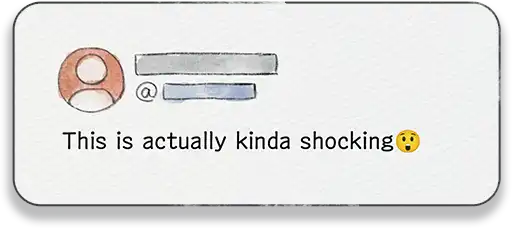
And another thing—people often talk about "Ainu physical features," but why don’t we hear much about "Japanese physical features"? You hear people say things like "Ainu face," but no one ever says, "You have a Japanese face, Type 3, or 5," do they? 
One day, I was in my room in front of the mirror, measuring the size of my eyes, the length of my eyelashes, the thickness of my hair, and the length of the hair on my hands. My grandmother saw me and said:
"Urar, why are you so into examining your body? Are you planning to become a doctor in the future?"
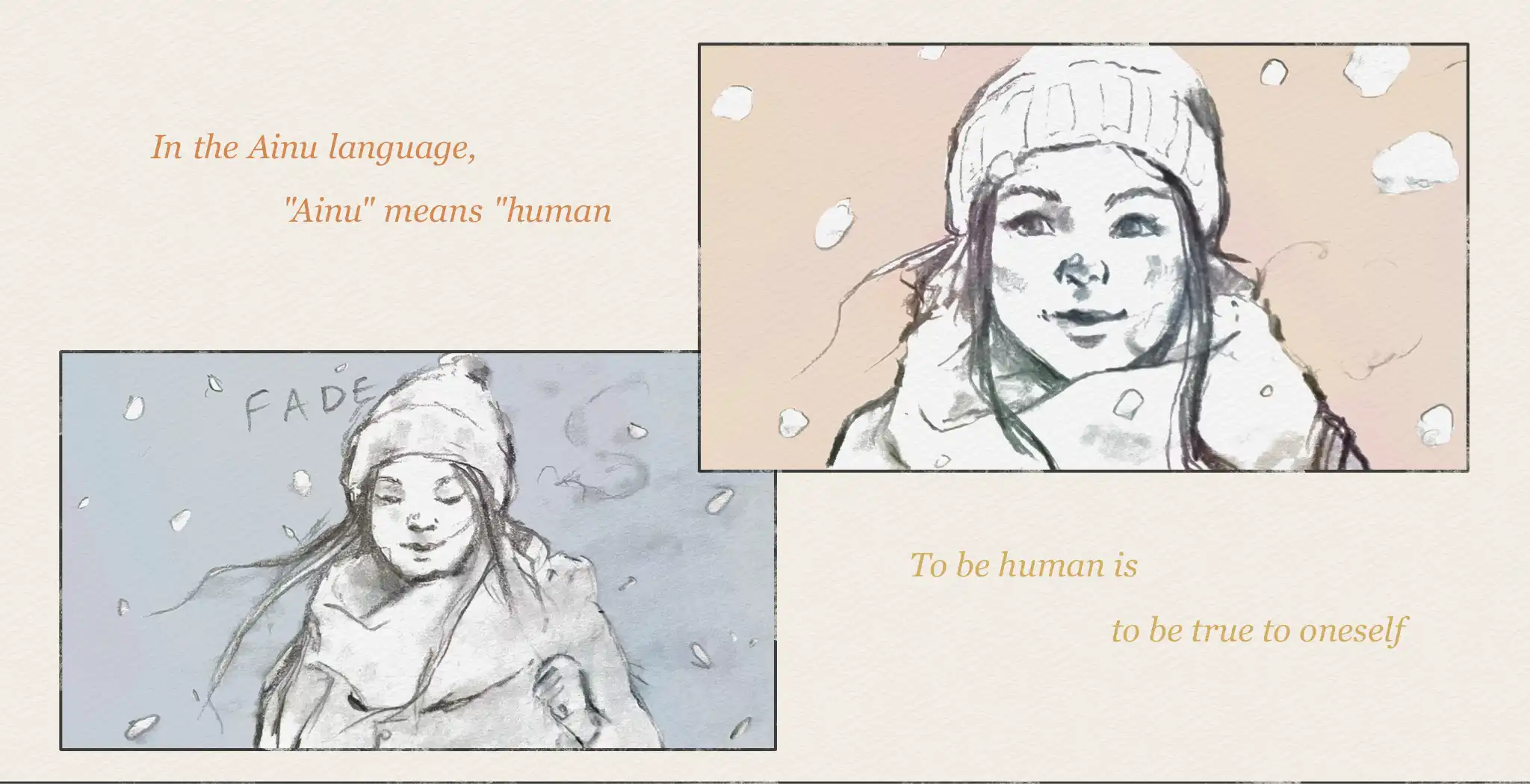
I used to be often told, "You don't look Ainu," but I don't care about that at all anymore. Because in my heart, I am Ainu. In the Ainu language, "Ainu" means "human." To be human is to be true to oneself. To be human is to be moved by beauty, to feel the air of nature on your skin, to experience the changing seasons with your whole being, and to savour the joy of delicious food.

第1章 私の名前はウラㇻ

“毎朝、家の裏山に霧が立ち込めるとき、私は自分の名前「ウラㇻ」を一番近くに感じる。この名前は祖母がつけてくれたもの。アイヌ語で「ウラㇻ」は霧を意味する。姿を消してしまうけれど、空気のようにいつもそこにあるもの”

昔は、そんな抽象的で透明人間みたいな名前が嫌だったけれど、今ではとても大切に思えるようになった。
私は16歳、北海道生まれの高校1年生。札幌の高校に通う、ごく普通の女子高生。あえて言うなら、自分がアイヌだと認識していることくらいかな。でも、そのことはなかなか友達には言えない。
「え? どうしてって?」
だって、相手がどんな反応をするかわからないから。
日本では、みんな「あなたは日本人でしょう?」って言うけど、その「日本人」って一体どういう意味なんだろう?日本で生まれて、日本語を話す人のこと?日本で生まれて日本語を話していても、日本の文化ではない文化を信仰したり尊重したりする人は「日本人」ではないの?
ちなみに、うちの家族はみんな北海道で生まれて、日本語もアイヌ語も話す。アイヌ語は、かつて国の同化政策で話すことを禁じられていたから、今では片言でしか話せないけど、それでもアイヌ語が飛び交う環境で育ったの。大切なアイヌの儀式だって、たまに行う。それは、日本のお正月やお盆みたいなもの。
あと、よく「アイヌの身体的特徴」について話す人がいるけれど、「日本人の身体的特徴」についてそれぞれ語る人ってあまり聞いたことがないのは、どうしてだろう?「アイヌ顔」とかって言われることはあっても、「あなたは日本人顔。タイプ3か5」とか言う人なんていないよね?いつか、自分の部屋の鏡の前で、目の大きさ、まつ毛の長さ、髪の毛の太さ、手の毛の長さなんかを測っていたら、おばあちゃんがそれを見てこう言った。
「ウラㇻ、そんなに熱心に自分の身体調べて、将来お医者さんにでもなるつもりかい?」
私も昔はよく「アイヌ顔じゃないよね」と言われたけれど、最近そんなことは全然気にしていない。だって、私の心はアイヌだから。アイヌ語で「アイヌ」は「人間」という意味。人間であるということは、自分らしくあるということ。人間であるということは、美しいものを見て感動し、自然の空気を肌で感じ、四季の移り変わりを身体で味わい、美味しいものを楽しむことだと思うの。

Chapter 2: My huci, Retar

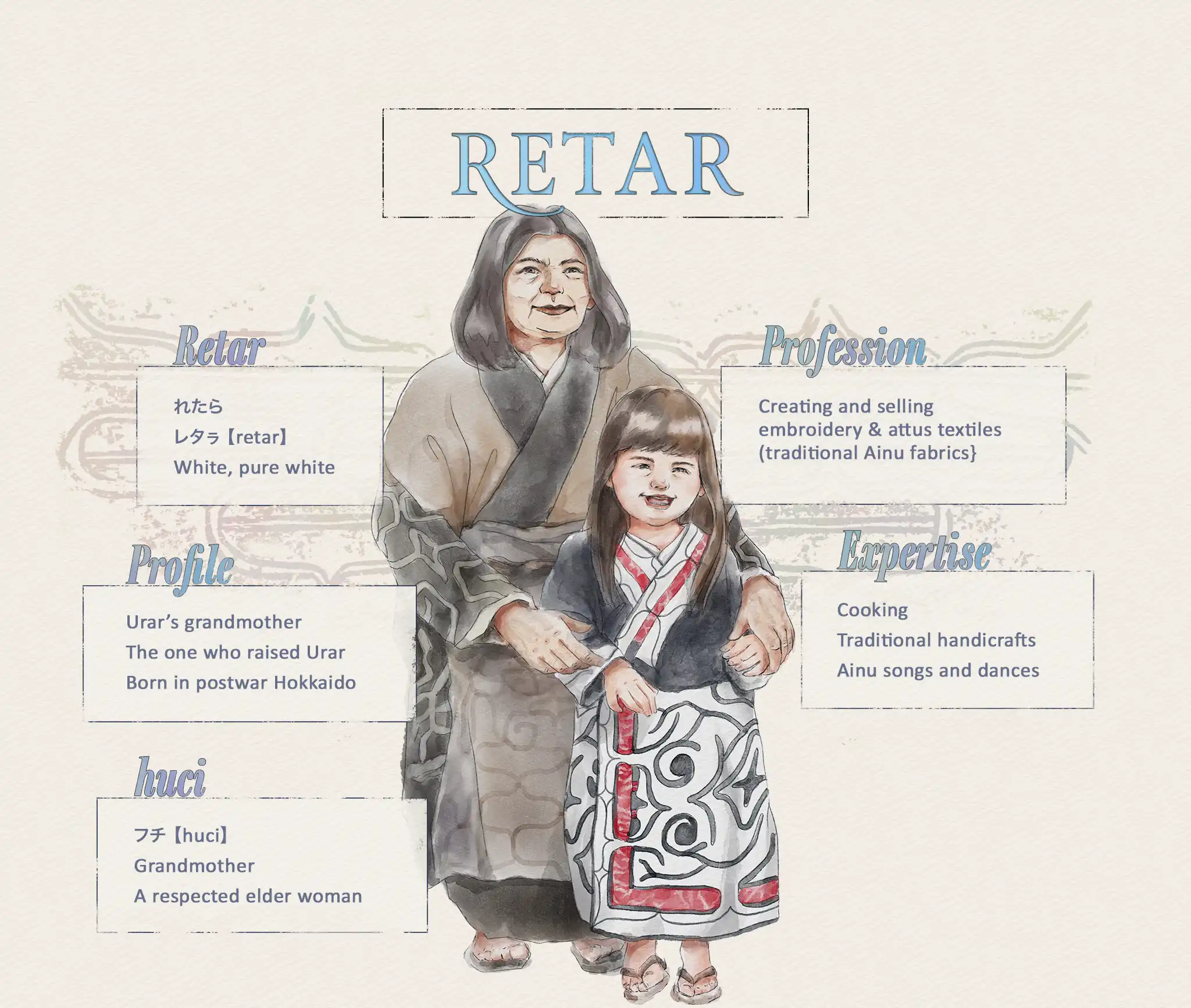
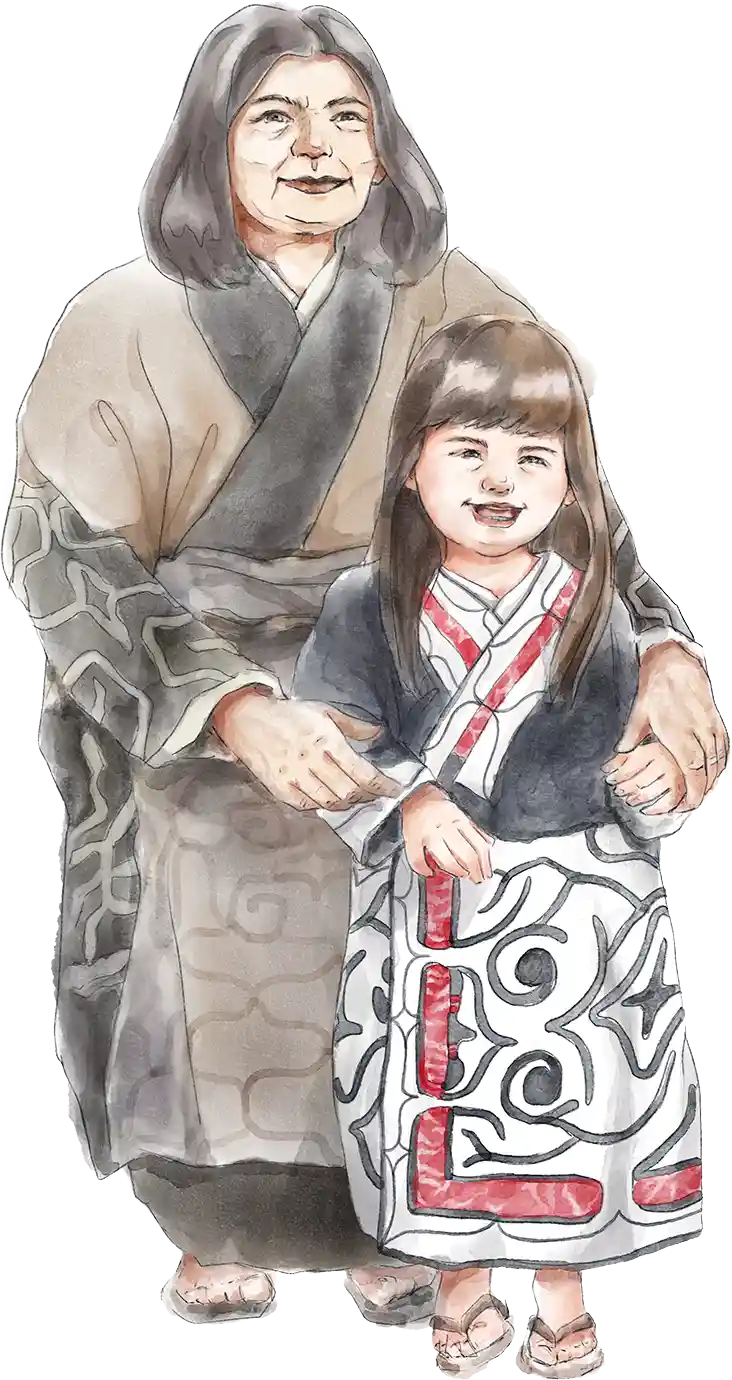
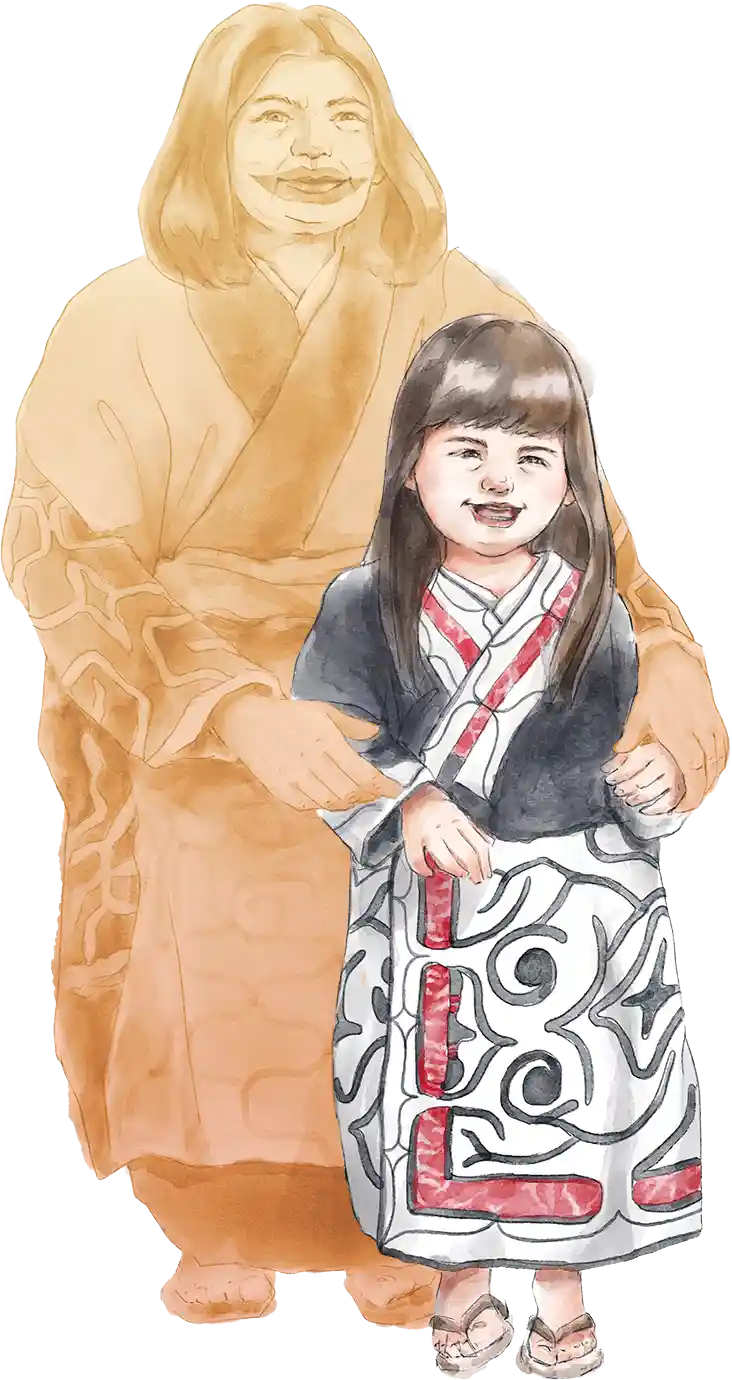
My huci's name is Retar, which means "pure white" in the Ainu language. Just like her name, she is as white as snow, and being with her brings me the same calm feeling as when I’m watching snow. Her eyes are so deep and large that if you kept looking at them, you might think an ocean was hidden within. In Ainu, huci means grandmother or a respected elder woman. Her hands are large and wrinkled, resembling a man’s working hands, a testament to her years of experience in embroidery, carving, and farming. Yet, the food she creates with those hands is the most delicious in the world. While the world may consider Michelin-starred restaurant dishes the pinnacle of cuisine, I prefer meals where I know exactly where the ingredients came from and how they were prepared. Those are the moments when I feel grateful to be human.

My huci’s specialty dish is ohaw, which is a type of soup in Japanese. It’s full of vegetables, and she uses salmon or sometimes venison to make the broth. It takes time to prepare, and compared to modern dishes, it might seem simple, but I love doing my homework while listening to the gentle sound of it simmering. As she cooks, my huci mutters to herself, “Maybe I should’ve done it this way,” or “Maybe that would’ve been better.” Hearing her talk to herself like that is comforting. Occasionally, I feel bad for not responding and answering her, only for her to chuckle and say, “I wasn’t talking to you, Urar.”

I live with my huci and my dog, Seto. It's just the three of us. I lost my parents in a car accident when I was very young, and it’s been just the three of us ever since. But I’ve never felt lonely. When I visit huci’s hometown, there are so many people—her dance friends and her embroidery friends—who all adore me. Plus, a family of foxes lives near huci’s family house, and I look forward to seeing them every time I visit. Since they’re wild foxes, they don’t come close to humans, but I love watching the fox pups grow up.

huci is always kind to me. But lately, I’ve come to realize that her kindness stems from the hardships she has endured throughout her life. For example, her eldest sister lived through World War II. huci, being the youngest in her family, didn’t experience the war directly, but she grew up in postwar Japan. I can only imagine how many difficult things she went through.

On top of that, I’ve heard that back then, prejudice and discrimination against the Ainu people were far more prevalent. Nowadays, when you go to the city, being Ainu might even be considered “cool,” but back then, being Ainu wasn’t necessarily a positive thing. Many people lived their lives hiding their appearance and origins.

Despite those hardships, huci raised me all on her own. Her work involves creating embroidery and attus textiles, traditional Ainu fabrics learned from my great-grandmother, and selling them at folk craft exhibitions, museums, and to private customers. Recently, as recognition of Ainu culture has grown, she’s been getting more orders. But when she starts weaving in the living room, there is no room left for me to hang out. She’ll say, “Urar, you’re in the way. Go take Seto for a walk.” Seto, being an Ainu dog, is big and needs plenty of exercise. He’s so full of energy that it’s hard for me to keep up with him.

We live in a two-bedroom apartment, but in the winter, Seto stays inside, which makes my space feel even smaller. “huci, who’s more important to you, me or Seto?” I sometimes want to ask. Still, the apartment is made of wood and gets really cold, so I end up sleeping with Seto. He keeps me warm, and I sleep so well when we’re together that I think I’ll forgive him even if his breath smells terrible.

第2章 私のフチ「レタㇻ」

私のフチの名前はレタㇻ(Retar)。アイヌ語で「真っ白」という意味なの。その名前の通り、雪のように真っ白で、一緒にいるとまるで雪を眺めている時のように心が穏やかになるの。いつまでも見ていると、その奥に海があるんじゃないかと思うほど大きくて深い目をしているのが、私のフチ。アイヌ語で「フチ」は、おばあちゃんや尊敬する年配の女性を指す言葉。彼女の手は大きくてしわがあって、まるで男性の働き手のようで、刺繍、料理、農作業における長年の経験を物語っている。でも、その手で作る料理は世界一美味しい。世間ではミシュランの星付きレストランの料理が「最高」とされるけれど、私にとっては、どこで採れた材料で、誰がどのように調理したのかが分かる料理の方が好きだし、「人間で良かったな」と思える瞬間でもある。
フチの得意料理はオハウ。日本語でいう汁物だ。たっぷりの野菜にシャケ、時には鹿肉を使い、丁寧に出汁を取る。時間はかかるし、現代の料理に比べるとシンプルかもしれないけれど、コトコト煮込む音を聞きながら宿題をするのが私は好き。フチは「ああした方が良かったかなぁ」「こうした方が良かったかなぁ」と独り言を言いながら料理をする。その声を聞くのが心地いい。たまに返事した方がいいかなと思って返事をすると、「ウラㇻに言ってるんじゃないのよ」と笑われるのだ。
私はフチと犬のセトの3人で暮らしている。両親は私が幼い頃、交通事故で亡くなった。それからずっと、この3人。でも、寂しいと思ったことはない。フチの地元に帰れば、踊り仲間や刺繍仲間がたくさんいて、みんな私を可愛がってくれる。それに、フチの実家の近くにはキツネの親子が住んでいて、訪れるたびに会うのが楽しみ。野生のキツネだから人間には近寄らないけれど、キツネの子供たちの成長を見るのが楽しみ。
フチはいつも私に優しい。でも、その優しさは、フチ自身が辛い人生を生きてきたからこそ生まれるものだと最近感じる。例えば、フチの一番上のお姉さんは、第二次世界大戦の時代を生き抜いた世代。フチは末っ子だったから直接戦争を経験していないけれど、戦後の日本を生きた一人だ。私には想像もつかないような辛い出来事がたくさんあったに違いない。そのうえ、当時はまだアイヌ民族への偏見や差別が強かった時代だと聞く。今では都会に行くと「アイヌであることがかっこいい」と言われることもあるけれど、当時は必ずしもそうではなく、自分の容貌や出身地を隠して生きていた人も多かったそうだ。
そんな中でも、フチは女手ひとつで私を育ててくれた。フチの仕事は、ひいおばあちゃんから教わった刺繍やアットゥㇱ織物を作り、民芸品展や博物館、個人のお客さんに売ることだ。最近はアイヌ文化への認識が高まり、注文も増えている。でも、リビングで織物を始められると、私の居場所がなくなるの。「ウラㇻ、邪魔だからセトと散歩行ってきて」と言われるけど、セトはアイヌ犬で体が大きいから運動が必要なの。セトの元気についていくのは正直しんどい。
私たちが住んでいるアパートは2LDKなんだけど、冬になるとセトが室内で過ごすから、私のいるスペースがさらに狭くなる。「フチは、一体私とセトのどっちが大切なの?」と聞きたくなる。でも、アパートは木造で寒いから、私はセトと一緒に寝るのね。一緒に寝ると暖かくてぐっすり眠れるから、許してあげようかなって思う。お口が臭いのは嫌だけどね。

Chapter 3: My Best Friend, Seto

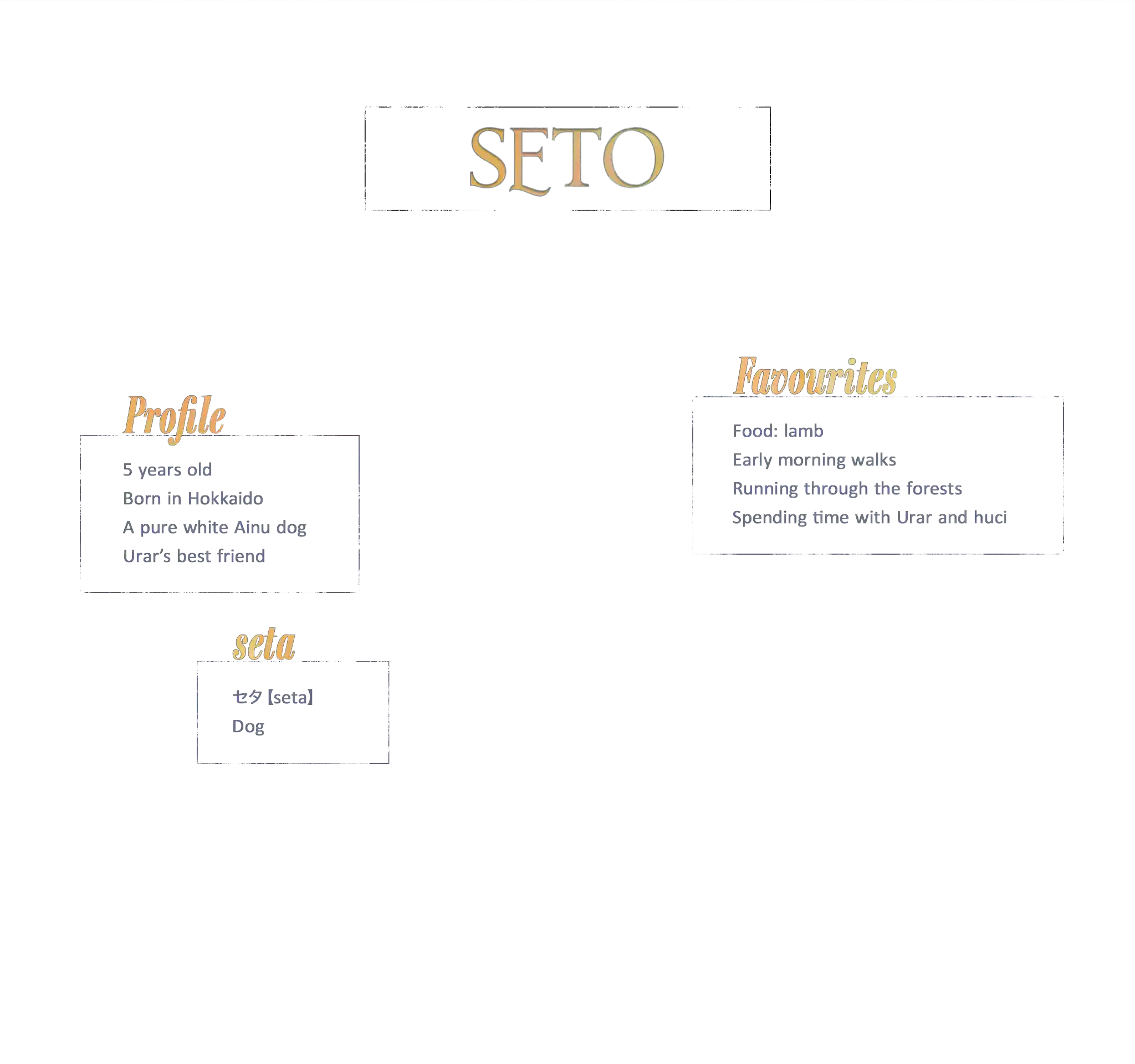
My best friend, Seto, is five years old. He’s a pure white Ainu dog that we got from huci’s family home. People might think he’s rare and super bright, but honestly, he’s not exactly what you’d call a genius. However, my perspective on Seto completely changed after he saved huci in the mountains.
One day, huci took Seto to the mountains to gather firewood. While cutting a tree  with a chainsaw, the tree fell and crashed right onto huci’s leg. She couldn’t move, and all she could do was endure the pain. As soon as Seto saw this, he ran back to call my ekasi, my grandfather and a respected elder in my family. Even though the run from the mountains to the house must’ve taken at least 15 minutes, Seto barked nonstop, signaling to ekasi that something was wrong. Realizing something was up, ekasi followed Seto back to the mountain, where he found huci injured and rescued her just in time.
Since that day, Seto has been getting lamb for dinner every night. Meanwhile, I don’t even get lamb that often! I can’t help but ask, “huci, who do you care about more, me or Seto?”
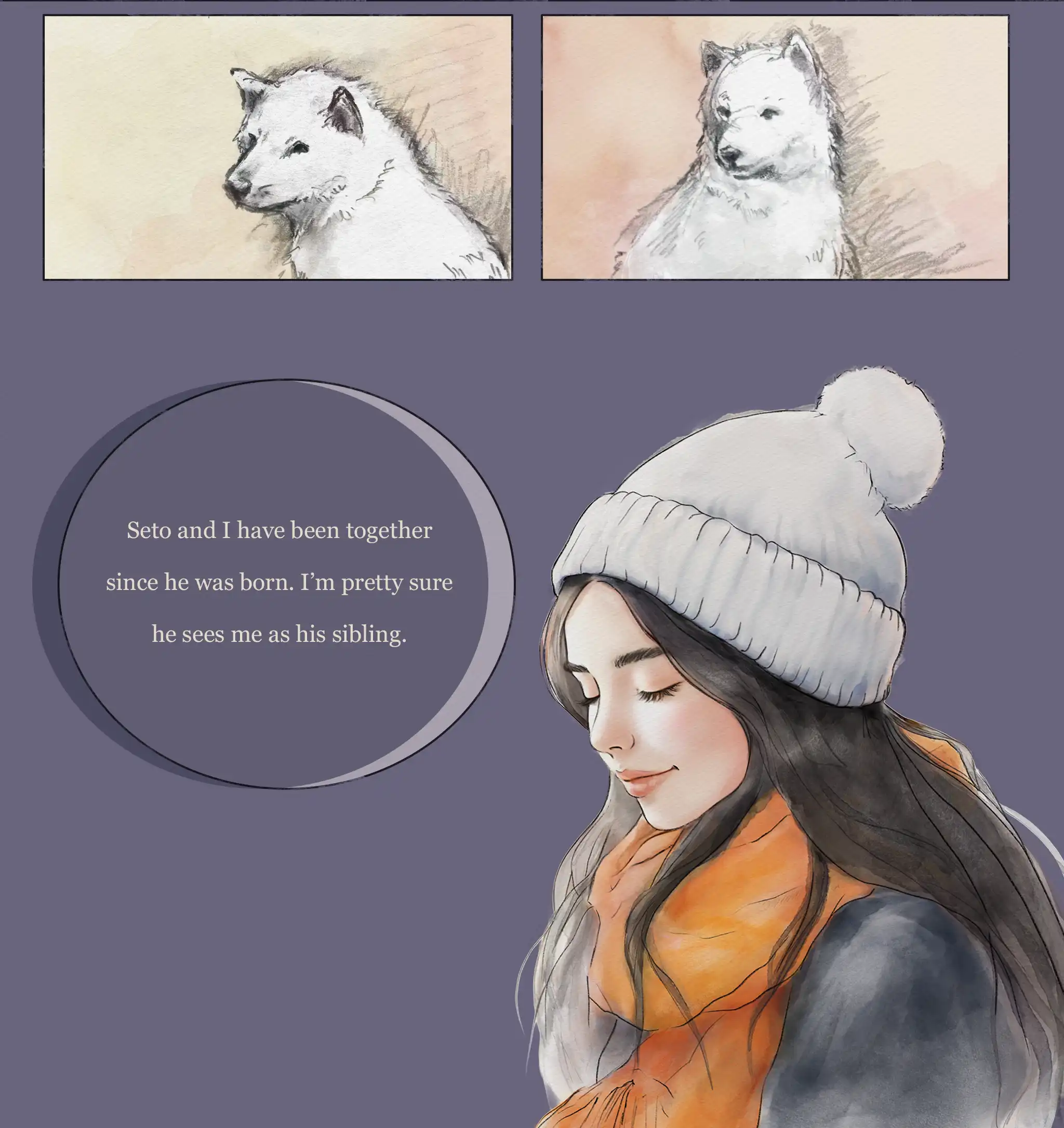
Seto and I have been together since he was born. I’m pretty sure he sees me as his sibling. But even then, he won’t share his precious lamb with me. Honestly, I’m a bit disappointed in both huci and Seto. Still, Seto always protects me. Whether it’s during walks or the time we encountered a bear in the mountains, he’ll always stand in front of me to shield me. In moments like those, I silently apologize, “Seto, I’m sorry for ever thinking you weren’t a smart dog.”
Seto can run like the wind, and we always run together in the mountains. Thanks to him, I’m the fastest runner at school. “Seto, thanks for training with me all the time. I owe you!”

第3章 私の親友「セト」

私の親友、セトは5歳。フチの実家からもらってきた真っ白なアイヌ犬だ。見た目の珍しさや賢そうな印象を持たれるかもしれないけど、実際はそうでない。だけど、そのセトに対する私の偏見が変わったのは、セトがフチを山で助けた時のことだ。
ある日、フチが薪用の木を取りにセトと裏山に行った時、チェーンソーで切った木がフチの足の上にドッカーンと倒れてきたらしい。フチは動けなくなり、その場で痛みを耐えるのが精一杯だったそうだ。それを見たセトは急いで私のエカシ(おじいちゃん、尊敬する長老)を呼びに行った。山から家まで走っても15分はかかったはず。それでも、必死で吠えてエカシに何か異常が起きたと知らせたセトのおかげで、エカシはすぐにセトと山へ向かい、フチを発見して助け出すことができた。
この出来事以来、セトの夕食には毎日ラム肉が登場する。私には毎日くれないのに!「フチは、私とセト、どっちが大切なの?」なんてつい聞きたくなる。
セトとは彼が生まれてからずっと一緒。きっと、私のことを兄妹のように思っているんだと思う。でも、その大事なラム肉を私には分けてくれないフチとセトには少しがっかり。でも、セトはいつも私を守ってくれる。散歩中や、山で熊に遭遇した時も体を張って私をかばってくれるの。そんな時、私は心の中でこっそり謝る。「セト、賢くない犬だなんて思ってごめんね。」
セトは走るのがとても速い。いつも一緒に山を駆け回るの。そのおかげで、私は学校でも走るのが一番速い。「セト、いつもトレーニングしてくれてありがとう。お世話になってます!」

Chapter 4: My School

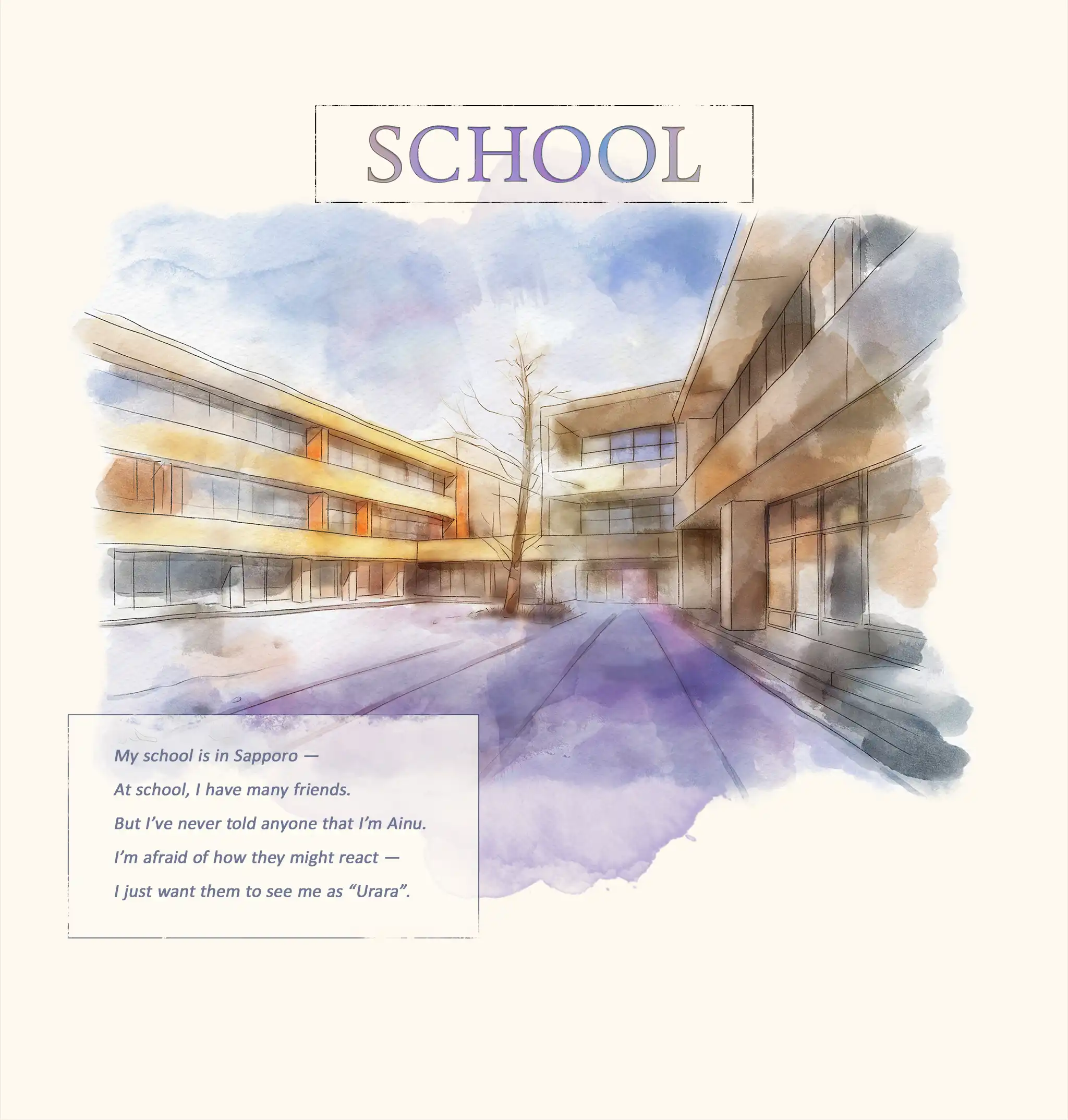
My school is in Sapporo.
It’s a bit far from home, taking more than 40 minutes by train. But since I always have to take Seto for a walk, I wake up early. I’m not really a morning person, but I love walking through the fog. It makes me feel like I’m the last remaining Ainu (human) in the world. In those moments, inspiration flows—new music, new dances, and the words to tell their stories.
The Ainu did not have a writing system in the past, so memory played a vital role in everyday life. I have heard that people were once able to trace their family names back hundreds of years, though I sometimes wonder how true that really is. My huci certainly has an extraordinary memory. I, on the other hand, have a much shorter memory—not because I do not care about the past, but because, at sixteen, my thoughts are often focused on what lies ahead rather than what has already happened.
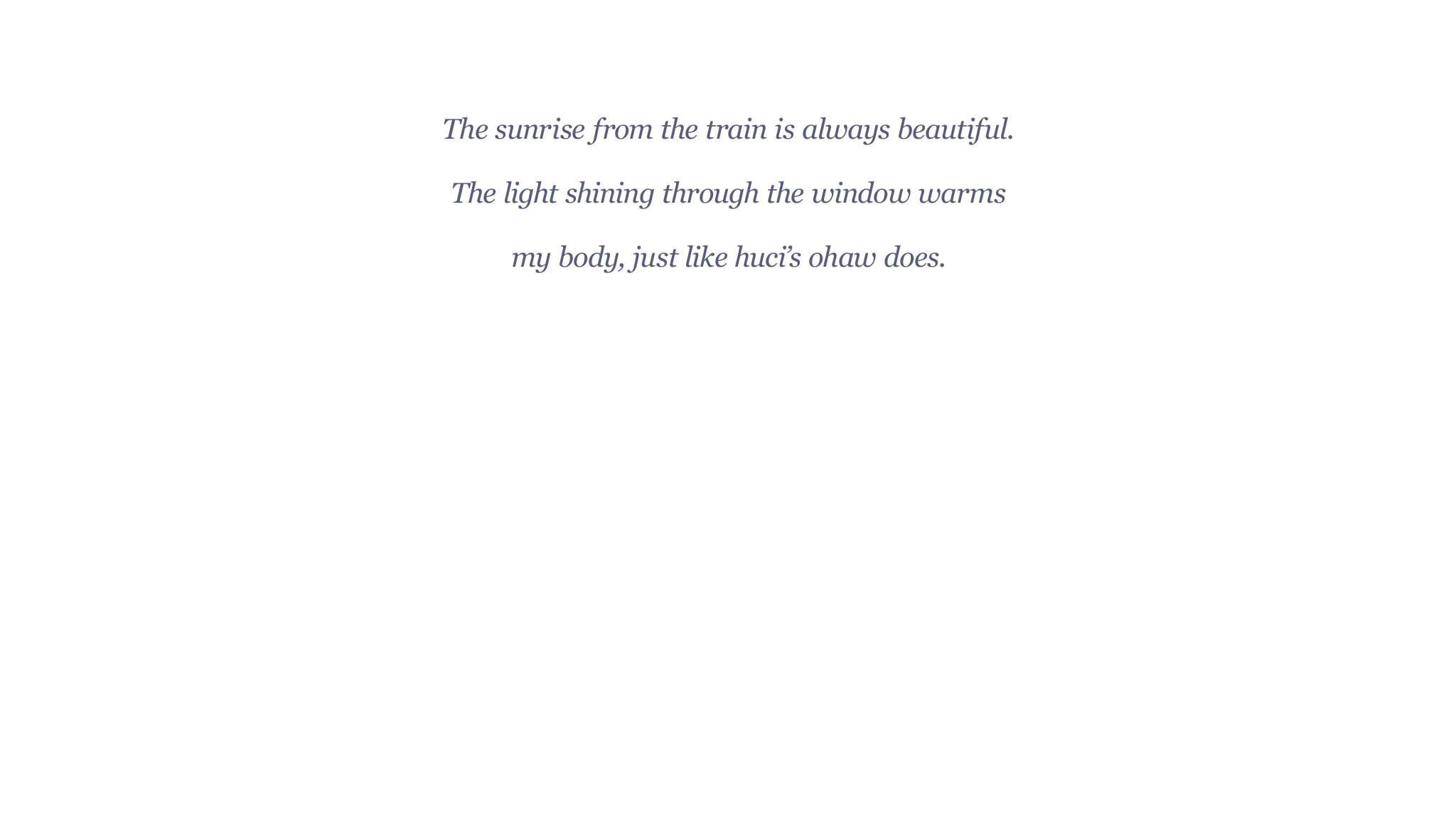
The sunrise from the train is always beautiful.
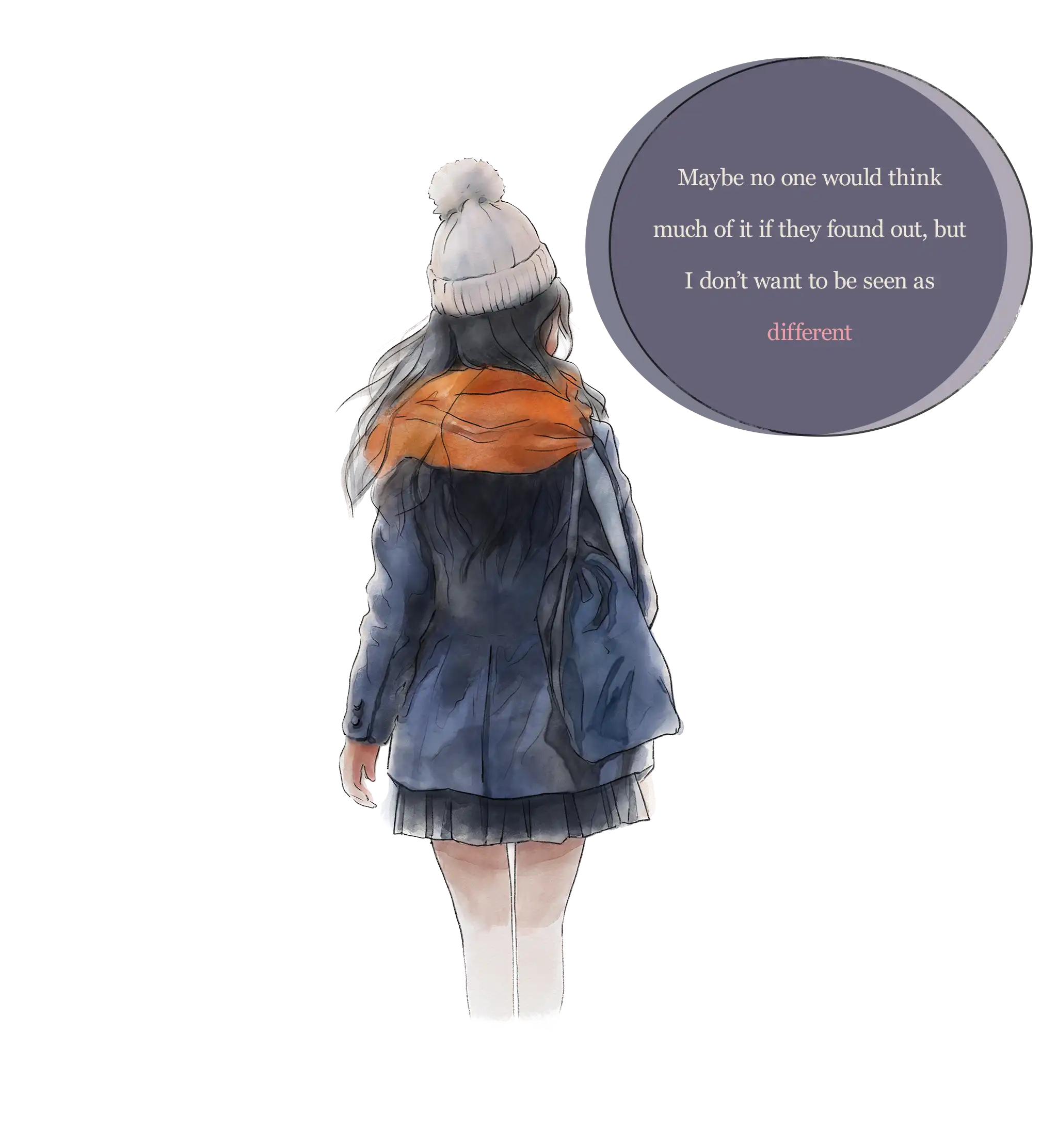
The light shining through the window warms my body, just like huci’s ohaw does. At school, I have many friends. But I’ve never told anyone that I’m Ainu. I’m afraid of how they might react—I just want them to see me as “Urara”*. At the same time, Ainu culture is woven into my everyday life, and avoiding it feels painful. Maybe no one would think much of it if they found out, but I don’t want to be seen as different.
In Japan, being different doesn’t feel like a good thing. It feels like something bad. There’s this floating atmosphere like you’re safest when you blend in.
And so, a new day begins.
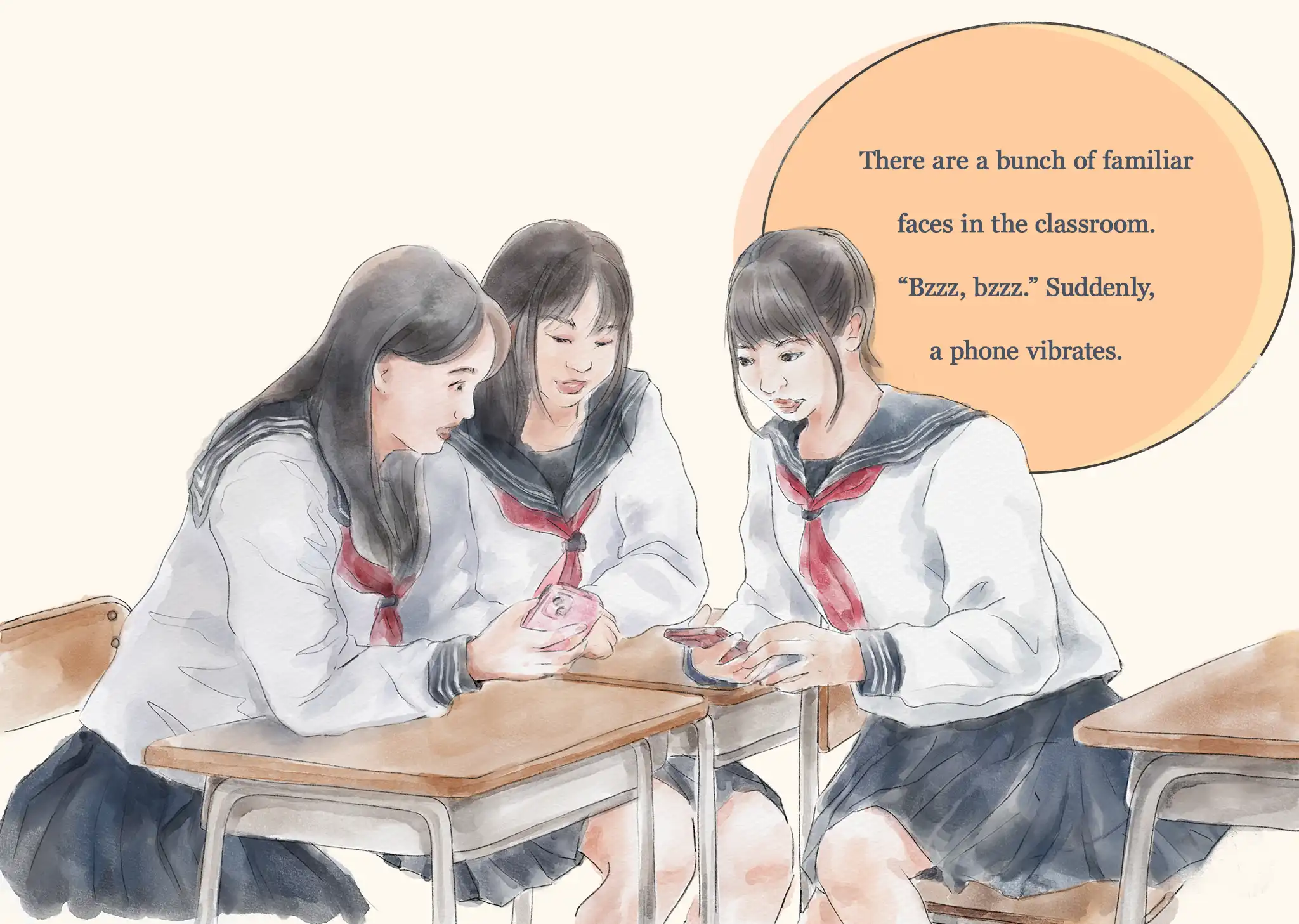
There are a bunch of familiar faces in the classroom.
“Bzzz, bzzz.”
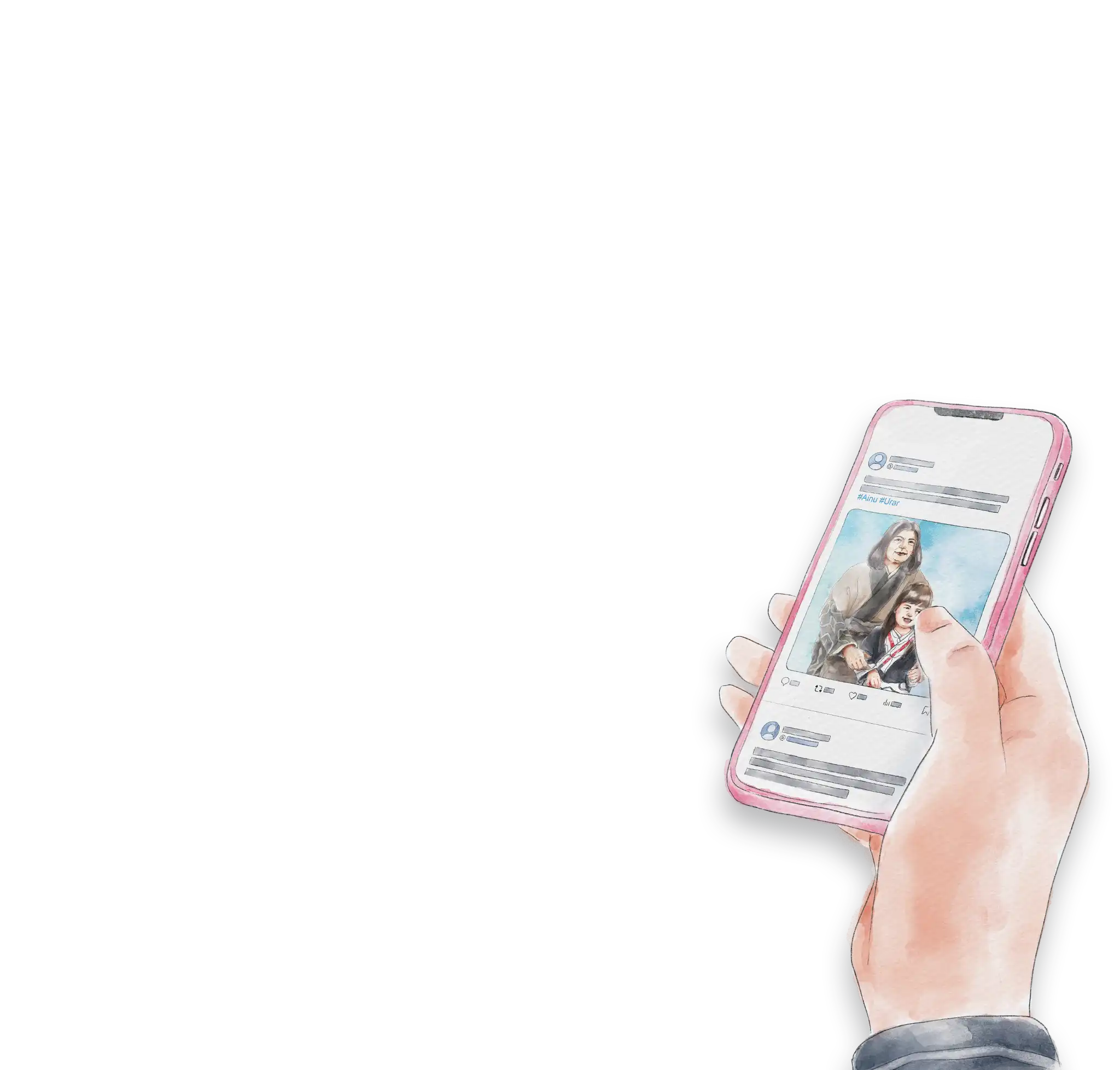
Suddenly, a phone vibrates.
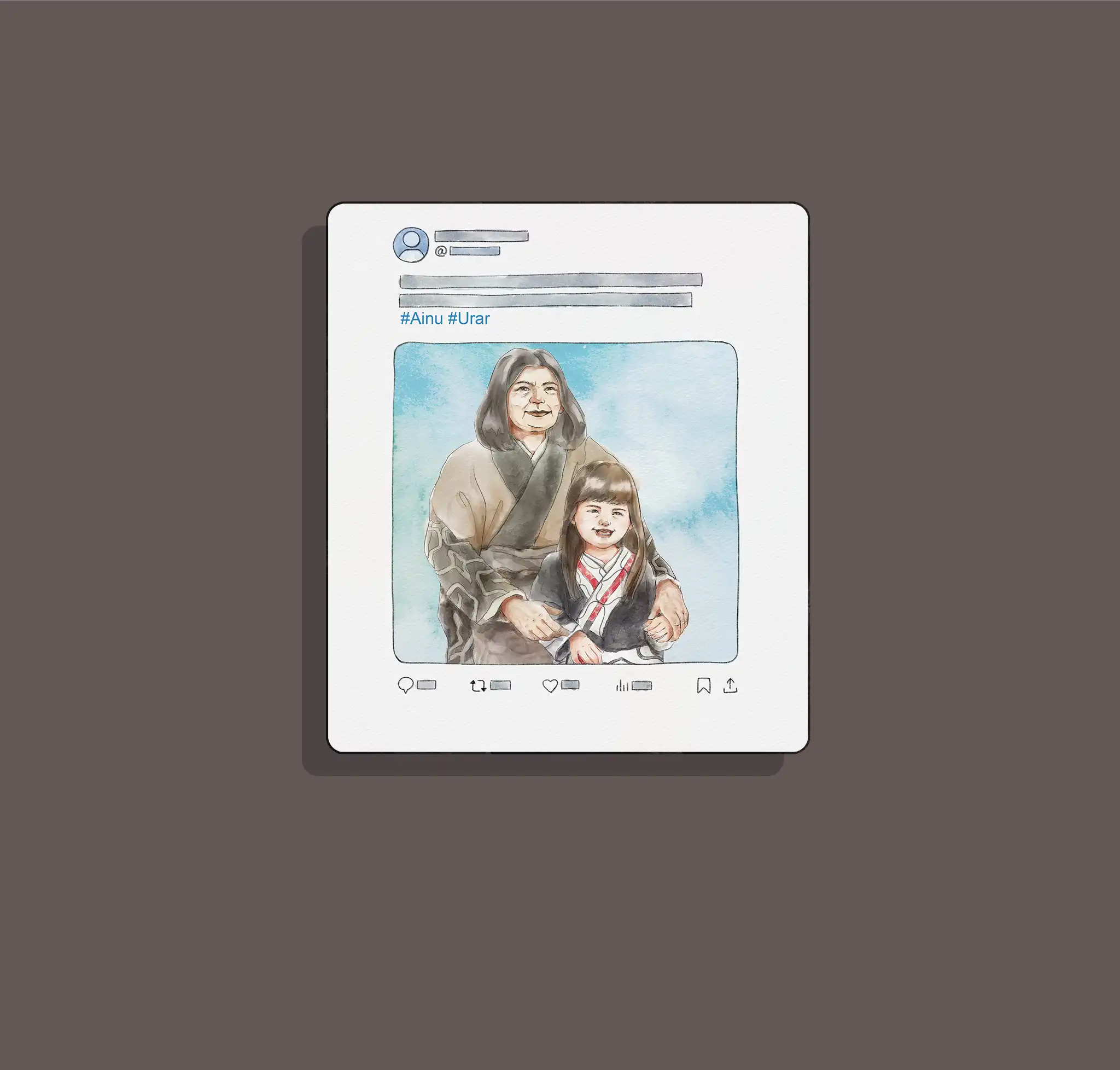
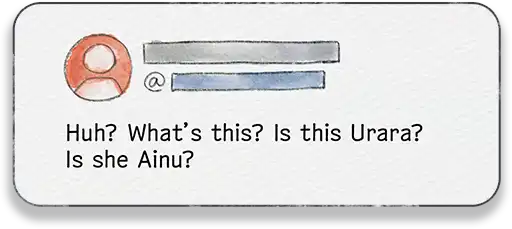
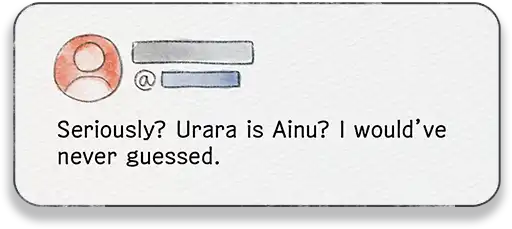
“Huh? What’s this? …Is this Urara? Is she Ainu?”
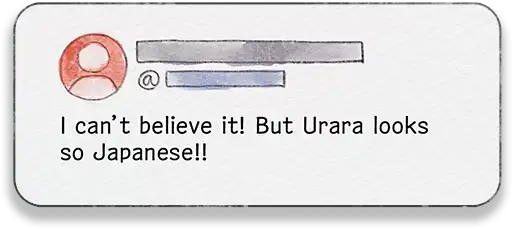
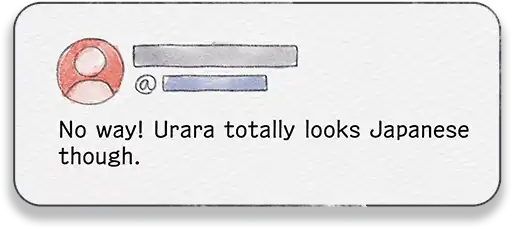
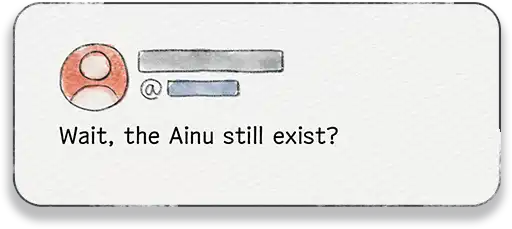
“The Ainu still exist? I can’t believe it. But Urara looks so Japanese!”
In an instant, my vision goes dark.
“What does it mean to be Japanese? If you were born and raised in Japan and hold Japanese citizenship, but your culture and language are different, does that make you any less Japanese?”
I hear my own voice screaming inside.
Just moments ago, the morning sun had warmed me, but now, my body turns cold. My chest tightens and burns with pain.
The friends I thought were my friends are no longer my friends.
Big tears rolled down my face.


* ”Urara” is the romanization of Japanese phonetics, as opposed to the romanization of Ainu phonetics “Urar”

第4章 私の学校

私の学校は札幌市内にある。
家からは少し遠く、電車で40分以上かかる。でも、私はいつもセトの散歩があるから早起きだ。朝は得意なほうではないけれど、霧がかる中を歩くのが好き。まるで、世界にひとり残ったアイヌ(人間)になったような気分になる。その瞬間、さまざまな閃きが湧いてくるの。新しい音楽や踊り、そして、それらを語る物語の言葉。
アイヌは、昔は文字を持たない民族だった。そのぶん、記憶力が驚くほど優れていたと聞く。自分の親族の名前を何百年もさかのぼることができたという話を聞いたことがあるけれど、本当かな?確かに、フチは驚くほど記憶力がいい。私は5分後にしたいことは覚えていても、5分前にしたことはすぐに忘れちゃう。でも、それはきっと、今の私が育ち盛りだから。成長するために、すべてのエネルギーが使われているのかもしれない。
通学電車からの朝日は、いつも美しい。
窓から差し込む光は、フチの作るオハウのように私の身体を温めてくれる。学校にはたくさんの友達がいる。でも、私はまだ誰にも自分がアイヌであることを話してない。どんなふうに反応されるかが怖いし、ただ「麗(うらら)」として見てほしいから。でも、私の生活の中にはアイヌの文化があふれていて、それを触れずにいることはつらい。きっと、みんな私がアイヌだと知っても、何も思わないのかもしれない。でも、私は「みんなと違う」と思われたくない。
だって、日本では「違うこと」は良いことではなく、むしろ悪いことのように感じる。みんなと同じであることが 安全——そんな空気がふわふわと漂ってる。
さて、今日も新しい一日が始まる。
教室には、いつもの顔ぶれが揃ってる。
「ブーッ、ブルブル」
突然、スマホの通知音が鳴る。
「え?何これ?……うららちゃんじゃないの? うららってアイヌなの?」
「えーアイヌって、まだ生きてんの? 信じらんない。うららちゃん、日本人っぽいのに!」
一瞬で、目の前が真っ暗になった。
「日本人って何? 文化や言葉が違うと、日本人じゃないの?」
心の中で叫ぶ声が聞こえた。
さっきまで朝日に温められていた身体が、一気に冷たくなる。胸が熱くなり、痛い。今まで「友達」だと思っていた人たちが、一瞬で「友達」でなくなった瞬間。
大粒の涙が、私の顔を濡らした。

Chapter 5: Dance as My Soul

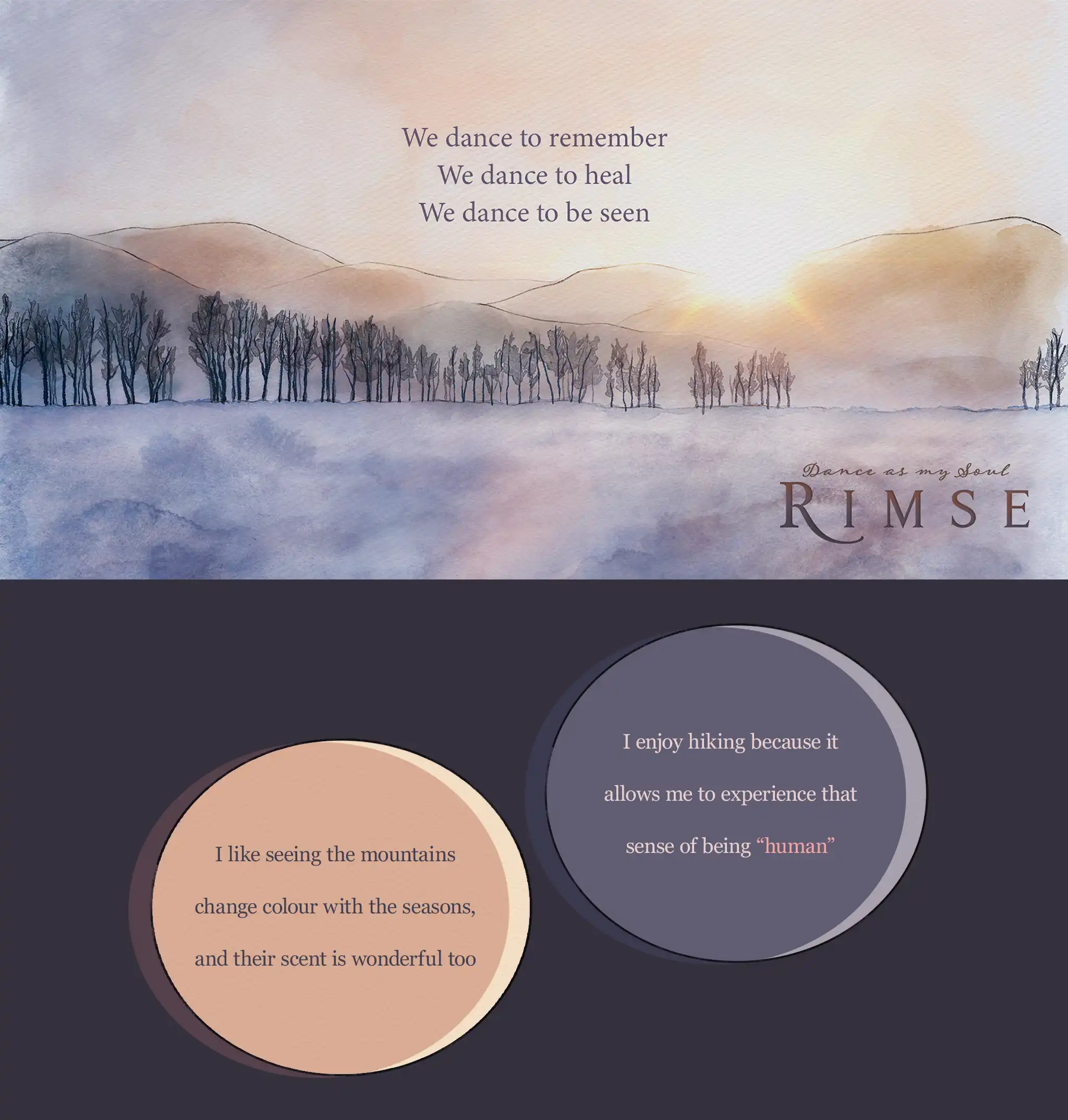
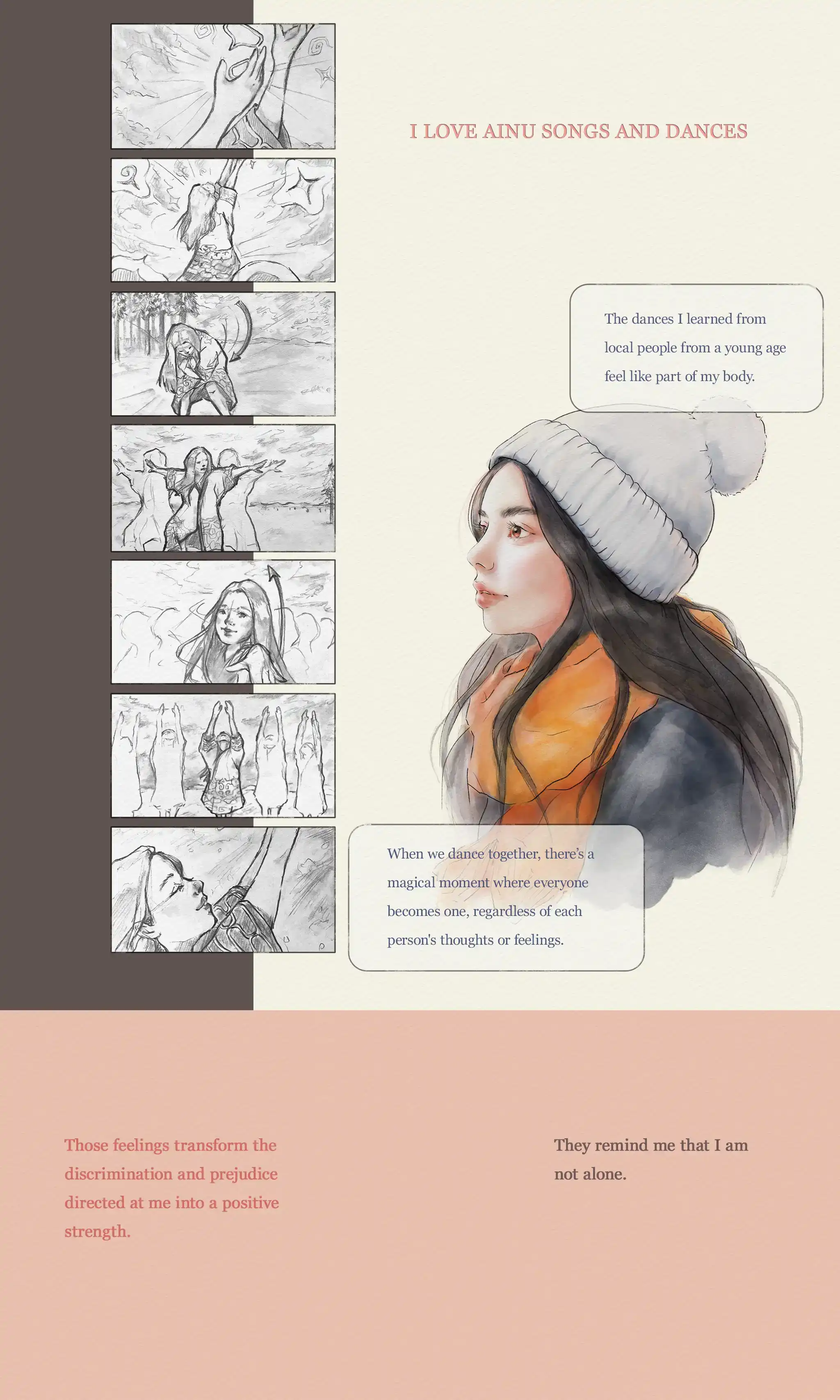
My hobby is walking in the mountains behind my house. Since bears sometimes appear, I take my dog, Seto, with me. I enjoy hiking because it allows me to experience that sense of being "human." I like seeing the mountains change colour with the seasons, and their scent is wonderful too. There are so many different smells, and breathing in the air feels like it cleanses my body. Another one of my pleasures is finding wild plants and medicinal herbs that are still used in the Ainu culture. I also love Ainu songs and dances. The dances I learned from local people from a young age feel like part of my body. When we dance together, there’s a magical moment where everyone becomes one, regardless of each person's thoughts or feelings. Those feelings transform the discrimination and prejudice directed at me into a positive strength. They remind me that I am not alone. Like my huci’s ohaw (soup), Ainu songs and dances gently warm my heart.

第5章 ダンスは私の力

私の趣味は、家の裏山を歩くこと。熊が時々出るから、うちのセトを連れて行くの。山歩きが好きなのは、その「人間」としての感覚を実感するため。季節ごとに色を変える山を見るのが好きだし、山の匂いもいい。たくさんの匂いがあるから、その空気をたくさん吸うと、身体がきれいに洗浄される感じがするの。そして、アイヌの食文化で今でも使われている山菜や薬草を見つけるのも楽しみの一つ。それから、アイヌの歌と踊りが大好き。地元の人たちと一緒に小さい頃から習った踊りは、まるで私の身体の一部のように感じる。一緒に踊ると、不思議とみんなの思いや気持ちに関係なく、その場にいる全員がひとつになれる瞬間があるの。そんな気持ちが、私に向けられた差別や偏見を前向きな力に変えてくれる。私はひとりじゃないんだって思える。フチオハウのように、私の心をそっと温めてくれる。

Credit

Kanako Uzawa: original concept, writing, narration and direction
Saki Murotani: art direction, illustration, animation, and sound editing
Adopted from the new animation video commissioned for the upcoming exhibition _Menoko Yukar: Woven Stories of Ainu Women_ opening August 26, 2028 at the University of Michigan Museum of Art

Editing and Historical Advising
Dr. Scott Harrison

Sound Effects
Pixabay

Music
Ch. I
homecoming” by Tomomi Kato
improvisation_171” by Tomomi Kato
Ch. II
improvisation_041” by Tomomi Kato
When the sun rises” by Tomomi Kato
Ch. III
improvisation_107” by Tomomi Kato
improvisation_047” by Tomomi Kato
Background Music Soft Piano” by HitsLab
Ch. IV
snow dance” by Tomomi Kato
improvisation_067” by Tomomi Kato
Piano Background Music Soft” by BackgroundMusicForVideos
Ch. V
“Authenticity” by Gudmund Østgård & Kanako Uzawa

Contact

Kanako Uzawa
kanako.uzawa■ainutoday.com
*Replace “■” with “@”.


Saki Murotani
hello■sakiart.com
*Replace “■” with “@”.